


With less than a year to Nigeria’s 2027 general elections, the country’s opposition parties are facing mounting internal and legal troubles that could significantly weaken their chances of mounting a serious challenge to the ruling All Progressives Congress (APC).
Although the Independent National Electoral Commission (INEC) currently has more than 20 registered political parties on its list for the polls, analysts say ongoing factional disputes, defections and litigation may reduce the number of viable contenders before voting begins.
Across key opposition platforms — including the Peoples Democratic Party (PDP), Labour Party (LP), New Nigeria People’s Party (NNPP), African Democratic Congress (ADC), the Social Democratic Party (SDP) and Accord — internal instability continues to overshadow preparations for the next election cycle.
Political observers warn that while the APC may be facing its own governance and popularity questions, the inability of opposition parties to build a united front could hand the ruling party a significant advantage.
The contrast with the political realignment that produced the APC between 2013 and 2015 has become increasingly clear. Unlike the coalition politics that helped unseat an incumbent government in 2015, the current opposition space remains fragmented, with no common agenda, no agreed coalition framework and no consensus presidential figure.
The PDP, once Nigeria’s dominant political force, remains trapped in persistent internal conflict. Leadership struggles, unresolved zoning issues and factional rivalries continue to undermine party cohesion.
The widening divide between blocs loyal to key figures such as Nyesom Wike and Seyi Makinde has further weakened the party’s ability to present a united front.
These divisions have been compounded by a growing wave of defections, with several elected officials and party stakeholders reportedly moving closer to the APC ahead of 2027.
The Labour Party, which gained national momentum during the 2023 elections largely on the strength of Peter Obi’s candidacy, is also battling deep structural cracks.
The party has been weighed down by leadership disputes, competing factions and a growing number of defections, all of which have diminished the momentum it once enjoyed as a rising political alternative.
Internal disagreements over strategy, alliances and leadership legitimacy have further raised questions about its readiness for the next national contest.
Similarly, the NNPP has seen its influence reduced by internal dislocations and shifting political loyalties. Once considered a formidable regional force, particularly in Kano, the party’s national relevance appears to be fading amid the movement of key actors into other political camps.
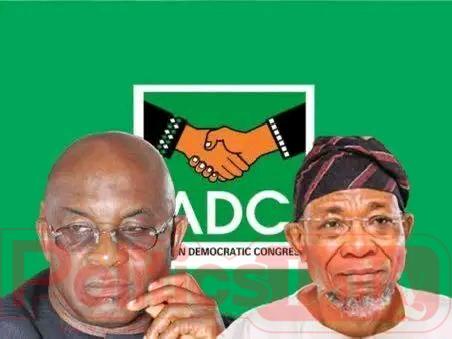
The ADC, meanwhile, is facing a different kind of challenge — one rooted in legal uncertainty and recognition disputes.
Its ongoing face-off with Independent National Electoral Commission over leadership legitimacy has introduced serious concerns about the party’s preparedness and, potentially, its ability to fully participate in the 2027 process if unresolved.
The dispute has also exposed broader concerns about the legal fragility of opposition structures and the role of institutions in party administration.
Stakeholders across the political spectrum have continued to react sharply to the unfolding situation.
Some opposition figures have accused the ruling APC of benefiting from the instability and alleged that state institutions are being used to weaken rival parties.
However, APC officials have dismissed such claims, insisting that defections and internal crises within opposition parties are self-inflicted and reflect weak party structures rather than external interference.
Political analysts say the most serious challenge facing the opposition remains the absence of unity.
Without a workable coalition, clear ideological alignment and an agreed electoral strategy, the opposition risks entering 2027 divided across multiple platforms.
Such a scenario, experts warn, could significantly strengthen the incumbency advantage of Bola Ahmed Tinubu and the APC.
As the election clock ticks down, the coming months may prove decisive in determining whether Nigeria’s opposition can rebuild, reconcile and regroup — or whether internal fractures will once again shape the outcome of a major national election.